Princess Donut: Dungeon Crawler Carl’s Scene-Stealing Cat
Princess Donut is the deuteragonist of Dungeon Crawler Carl — a prize-winning show Persian who belongs to Carl’s ex-girlfriend, gains sentience when the apocalypse hits, and immediately becomes one of the most beloved characters in modern genre fiction. She is also, in a very real sense, the co-author of the series’ success: reader love for Donut drives a huge share of the franchise’s 14 million copies sold, and bringing her to life in CGI is the single biggest creative challenge facing the Peacock TV adaptation.
This guide covers everything about Donut — her origin, her class and abilities, her role in the story’s structure, and her status in the show. Mild spoilers are marked.
Who Is Princess Donut?
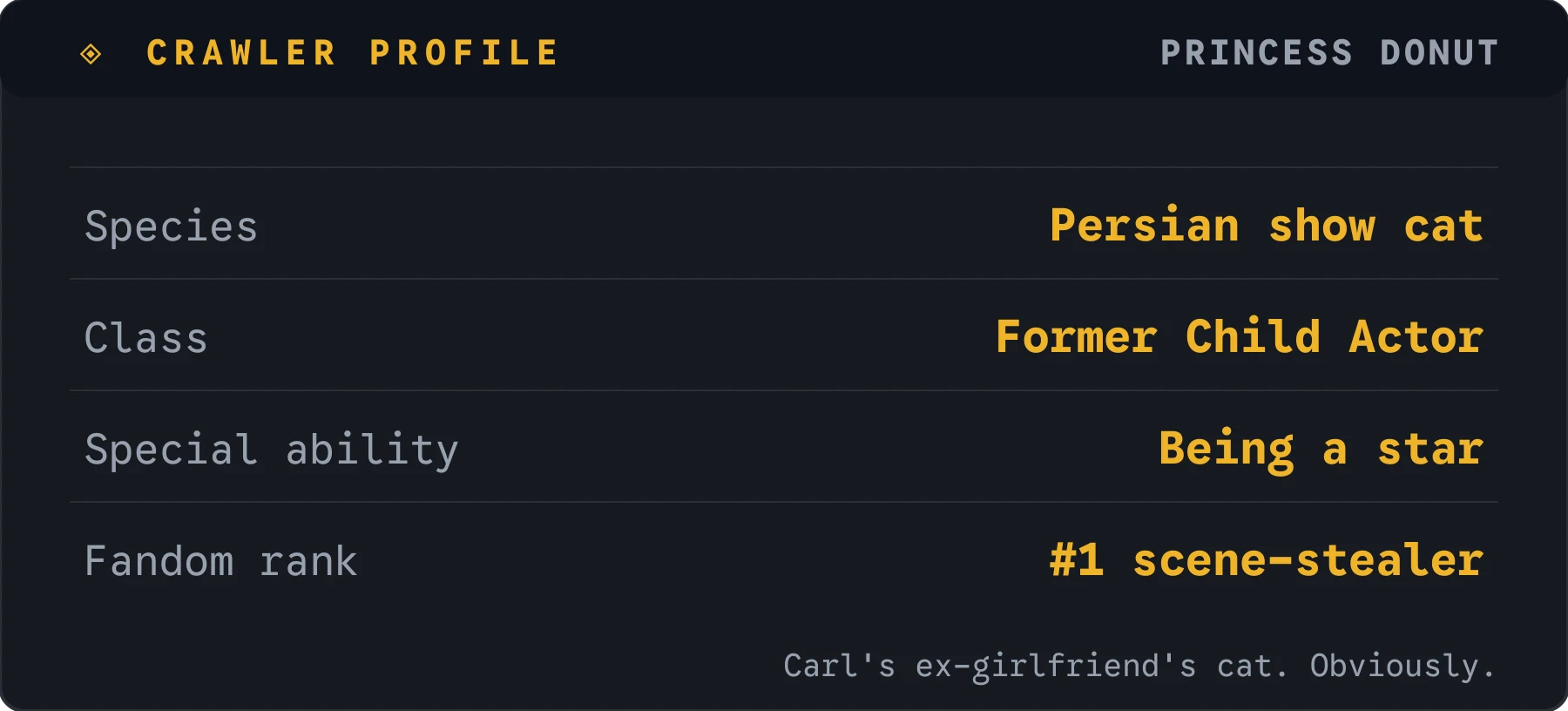
Before the world ended, Donut was a pampered show cat: a champion Persian with a wall of ribbons, owned by Carl’s ex-girlfriend Shannon. When Earth’s surface was destroyed to make way for Dungeon Crawler World season eighteen, Donut followed Carl into the dungeon entrance — and the game’s systems awakened her intelligence along with the ability to speak.
From that moment the dynamic is set: Carl is the muscle and the planner; Donut is the celebrity. Her instinctive understanding of audiences, performance, and social climbing turns out to be a genuine survival superpower inside a dungeon that runs on ratings. While Carl insults the system, Donut works it — landing interviews, cultivating sponsors, and building the fan base that keeps them alive.
The name is literal: she was named after donuts, and her speech patterns never let you forget her origins as a pampered pet. The comedy of a diva cat navigating eldritch horror is the engine of the series’ tone.
Donut’s Class and Abilities
Spoiler-light version first: on floor three, when crawlers choose races and classes, Donut selects Former Child Actor, a class that weaponizes her show-business instincts rather than combat prowess.
What that class grows into over the series:
- Performance magic — abilities rooted in entertaining audiences, which convert directly into buffs, healing effects, and crowd control during fights.
- The Enchanted Crown — an early-game artifact tied to her royal bloodline subplot that grants significant power at a terrible long-term price, one of the series’ best slow-burn threats.
- Mongo acquisition — early in book one Donut gains Mongo, a kitten who grows into one of the party’s heavy hitters. Their double act (diva cat and her enormous “kitty”) is fan-favorite material.
- NPC management — Donut recruits, negotiates, and manages their growing entourage more often than Carl does, making her the party’s face in every sense.
Deeper ability details are deliberate spoiler territory. Donut’s late-series power spikes are among the fandom’s favorite moments precisely because they recontextualize her “useless” class choices from earlier books. Go in clean if you can.
Why Donut Matters to the Story
Structurally, Donut solves the hardest problem in LitRPG: solo-progression stories get lonely. Her presence gives Carl someone to talk to, protect, and perform for — and gives the audience an emotional barometer in a story that gets genuinely dark.
She also embodies the series’ central satire. Dungeon Crawler World is entertainment; Donut is the only crawler who intuitively understands entertainment from day one. Watching her treat survival horror as a career opportunity is both the joke and the thesis: the same media machine that destroyed Earth is the thing she was literally bred for.
The fandom’s response tells the rest of the story. When the NHL’s Colorado Avalanche hosted an official Dungeon Crawler Carl night in April 2026, the charity component was chosen specifically to honor Princess Donut — donations supporting local animal rescue. That is character-driven cultural impact by any measure.
Donut in the Audiobooks
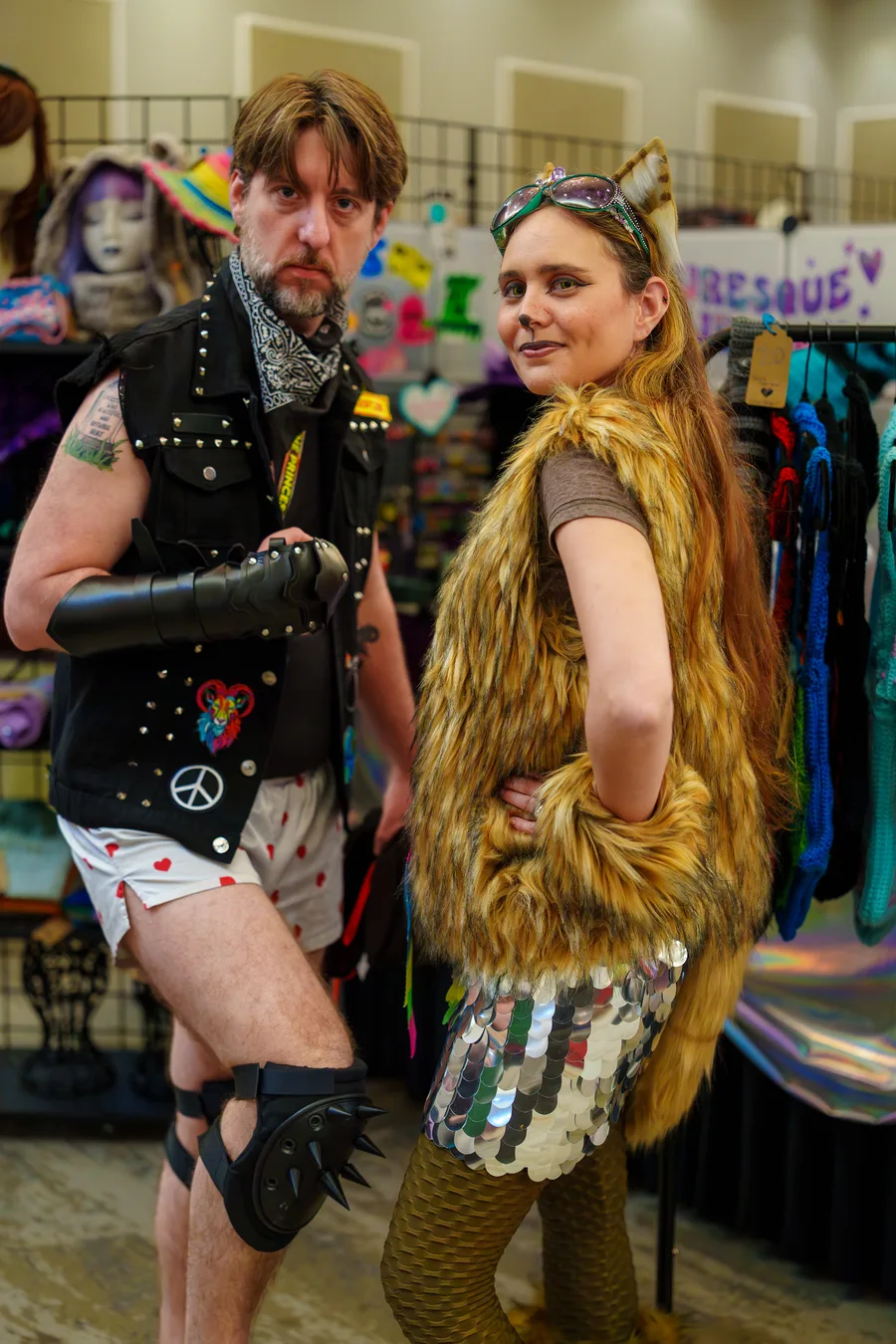
A large share of Donut’s fame was manufactured in audio. Narrator Jeff Hays performs her with such distinct characterization that author Matt Dinniman has said listeners assumed a separate female narrator must have been involved — Hays voices essentially every character across eight books, roughly 200 of them, and Donut is widely considered his signature performance.
For new readers deciding between formats: much of Dinniman’s audience met Donut through audio first, and the production quality is a legitimate part of the experience. Full comparison in our audiobook guide.
Will Donut Be in the TV Show?
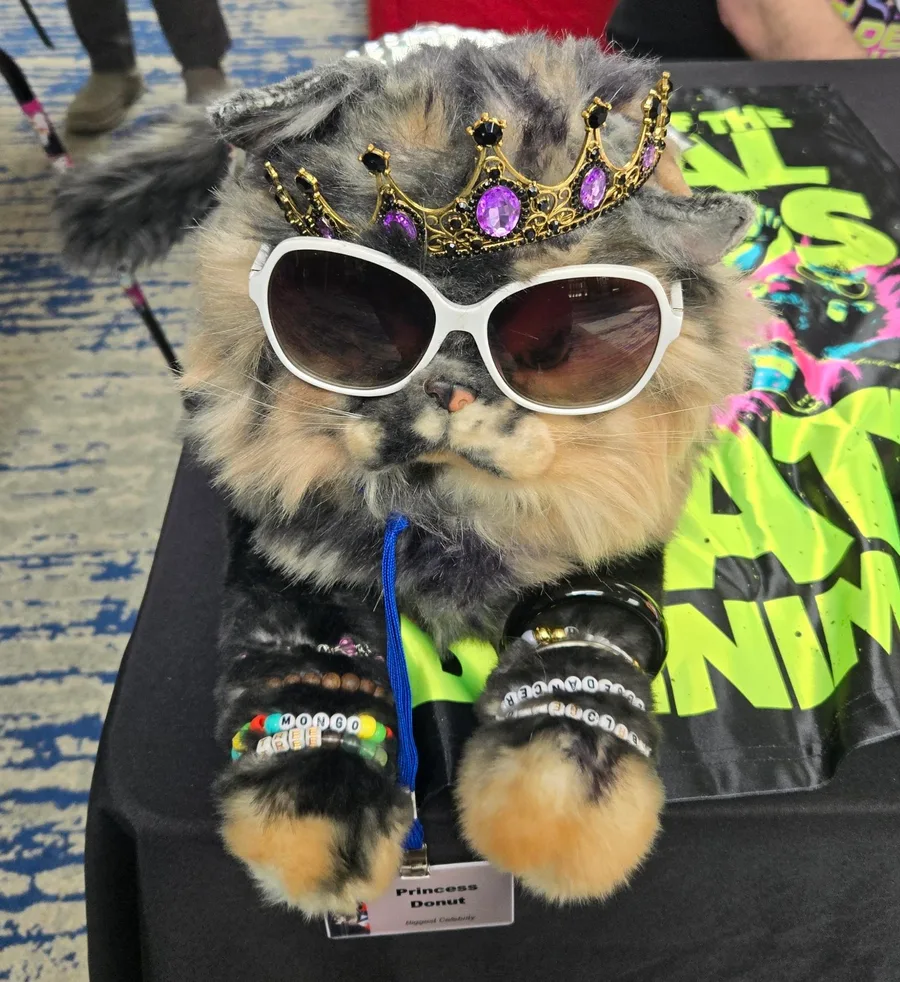
Yes — she has to be, and the production knows it. Confirmed facts:
- The series is live-action at Peacock, meaning Donut will be a CGI creation.
- Matt Dinniman, executive producer, has publicly pointed to Fuzzy Door’s VFX pedigree (The Orville, Ted) as the reason he trusts them with her.
- No actor or voice performer for Donut has been announced yet. Casting status lives in our TV show tracker.
The internet has, of course, been casting her since June 2026. Treat all viral “confirmed voice” posts as fiction until they appear in trade reporting.
Donut Quick Facts
| Fact | Detail |
|---|---|
| Species | Persian show cat |
| Owner | Shannon (Carl’s ex-girlfriend) |
| Class | Former Child Actor |
| Companion | Mongo (her pet) |
| First appearance | Book 1, chapter one — she leads Carl into the dungeon |
| Audio performer | Jeff Hays |
| Cultural honors | Inspired an NHL charity night for animal rescue |
Where to Learn More
Official sources for character canon are the books themselves, Matt Dinniman’s site, and the series overview on Wikipedia. For the rest of the cast — Hekla, Katia, Imani, Volteeg, Mordecai, and Mongo — see our full characters guide, and if you are brand new, start with the complete reading order.
Donut and the Series’ Tone
It is hard to overstate how much of Dungeon Crawler Carl’s identity lives in this one character. The premise could easily read as grim: Earth destroyed, survivors hunted for entertainment. Donut is the counterweight that makes the darkness land — her vanity, her brand deals, her absolute refusal to be anything other than a star give the story permission to be funny without ever mocking its own stakes.
She also drives the series’ best running gags and its sharpest satire simultaneously, which is why her scenes double as the fandom’s quote factory. New readers often report that they came for the game mechanics and stayed for the cat; long-term fans tend to describe her arc as the emotional spine of all eight published books. Either way, she is the first reason anyone gives when recommending the series — and the reason the TV adaptation’s biggest creative question is how to make her real.